
Product quality sets the plant, not capacity
At pharma grade, the purity specification decides unit operations, materials of construction and cleaning regime. Design a plant around tonnes per year first and you rebuild it around quality later.
Anchor case
A pharma-grade microcrystalline cellulose plant, carried by our team from process basis and cost estimate through detail engineering, procurement and construction to a verified start-up. Client, location and dates are withheld — most of our work is under NDA, and this record is published to show method, not to trade on a name.
The brief
Pharma-grade cellulose is an unforgiving product to scale: purity, particle properties and residual limits are non-negotiable, and the qualification burden means a plant that nearly meets specification is a plant that does not sell. The owner needed a defensible capital number first, then an execution route that would not quietly trade away product quality to hold the budget.
We took the process basis, closed the balance, priced the plant with a stated accuracy class, and then stayed on the project through construction and commissioning — the same engineers from first estimate to performance test.
How it ran
Feedstock specification, product quality targets and operating cases fixed first, then a closed mass and energy balance per stream. Pharma-grade product quality set the constraint that most of the downstream design had to respect — purity and residual limits, not throughput, drove the process configuration.
CAPEX built from sized equipment and budgetary quotes with installation factors, indirects and contingency separated, and an OPEX model at realistic utilisation rather than nameplate. The €24M scope carried a stated accuracy class, which is what allowed the owner to take the decision on it.
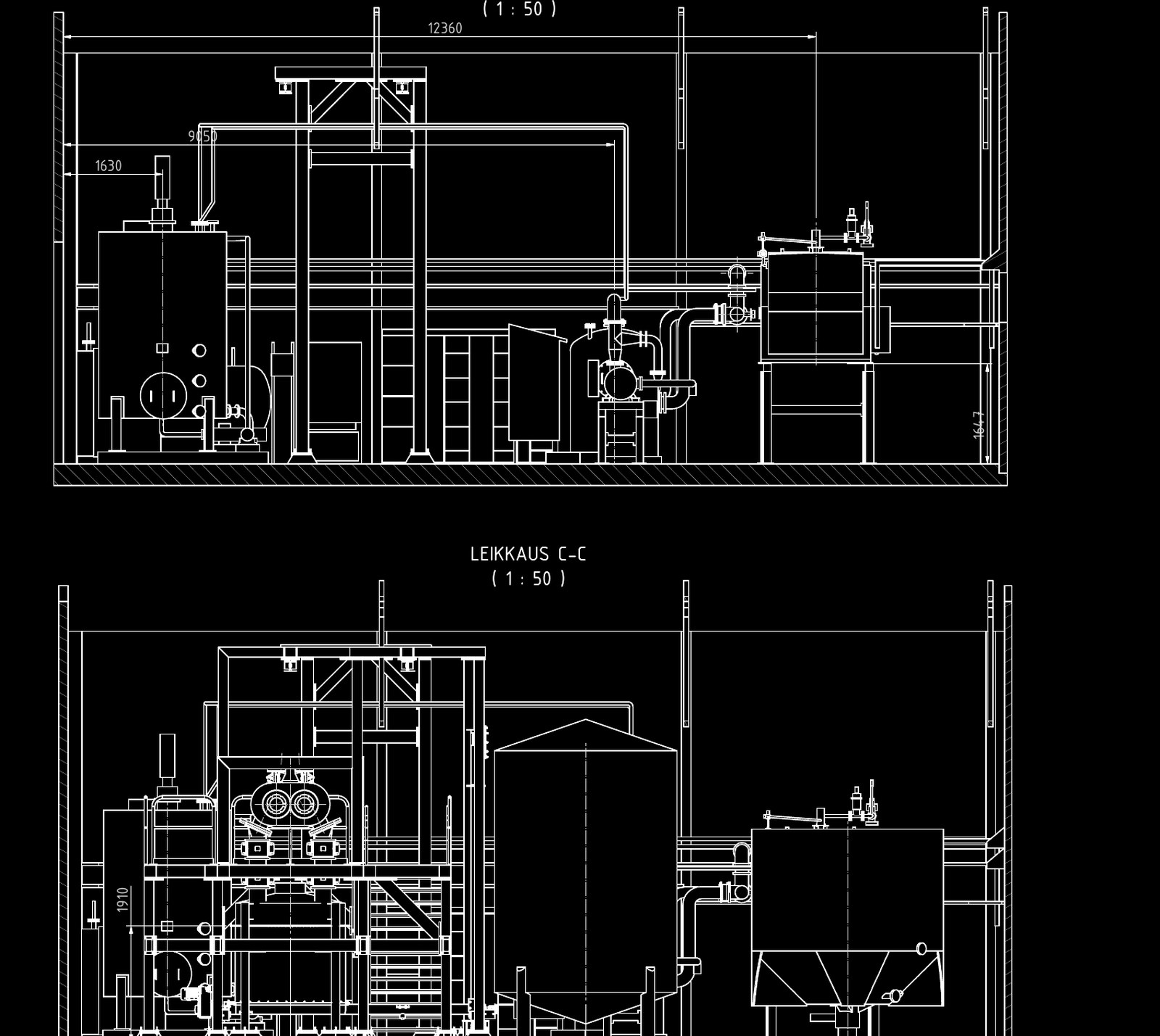
PFDs, P&IDs, equipment datasheets, electrical and instrumentation load lists, and a 3D layout checked for access, maintenance and hazardous-area zoning before drawings were frozen. Long-lead items were identified at this stage to protect the schedule later.
Technical annexes and acceptance criteria written into the equipment packages, vendor documents reviewed against the process basis, and interfaces held at defined battery limits so no scope fell between suppliers.
Site engineering, inspection plans, witness points and punch-list management with HSE oversight. Progress was measured against the engineering deliverable list rather than against a contractor narrative.
Pre-commissioning, water and product runs, operator training and a performance test against the contracted basis. The plant was handed over on a measured result, with deviations documented rather than absorbed.
What the project taught us
At pharma grade, the purity specification decides unit operations, materials of construction and cleaning regime. Design a plant around tonnes per year first and you rebuild it around quality later.
A €24M estimate means nothing without a stated class and a named contingency. Owners can carry uncertainty — they cannot carry uncertainty they were not told about.
Most of the schedule risk sat in scope splits between equipment suppliers, not inside any one package. Battery limits written early are cheaper than claims written late.
The engineers who closed the balance were on site during commissioning. That continuity is why the ramp-up was diagnosed from the design intent instead of guessed at.
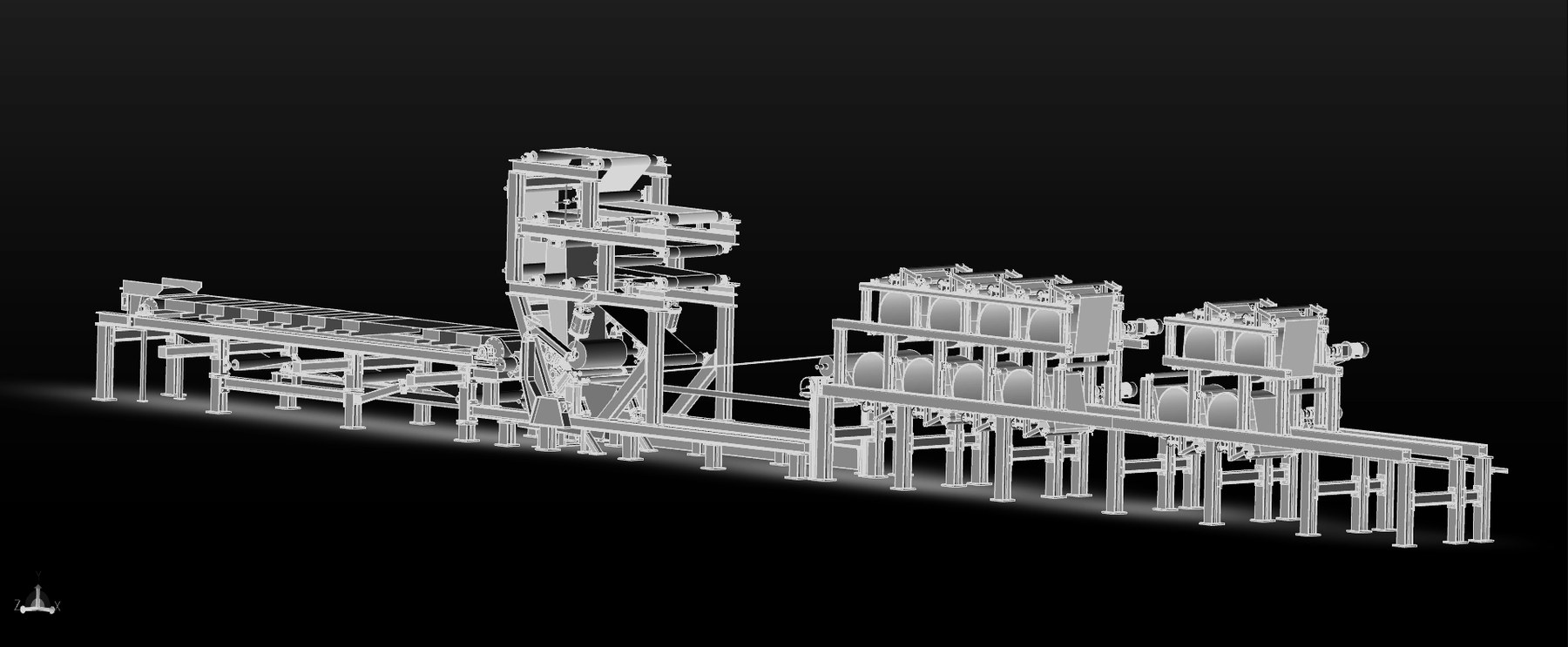
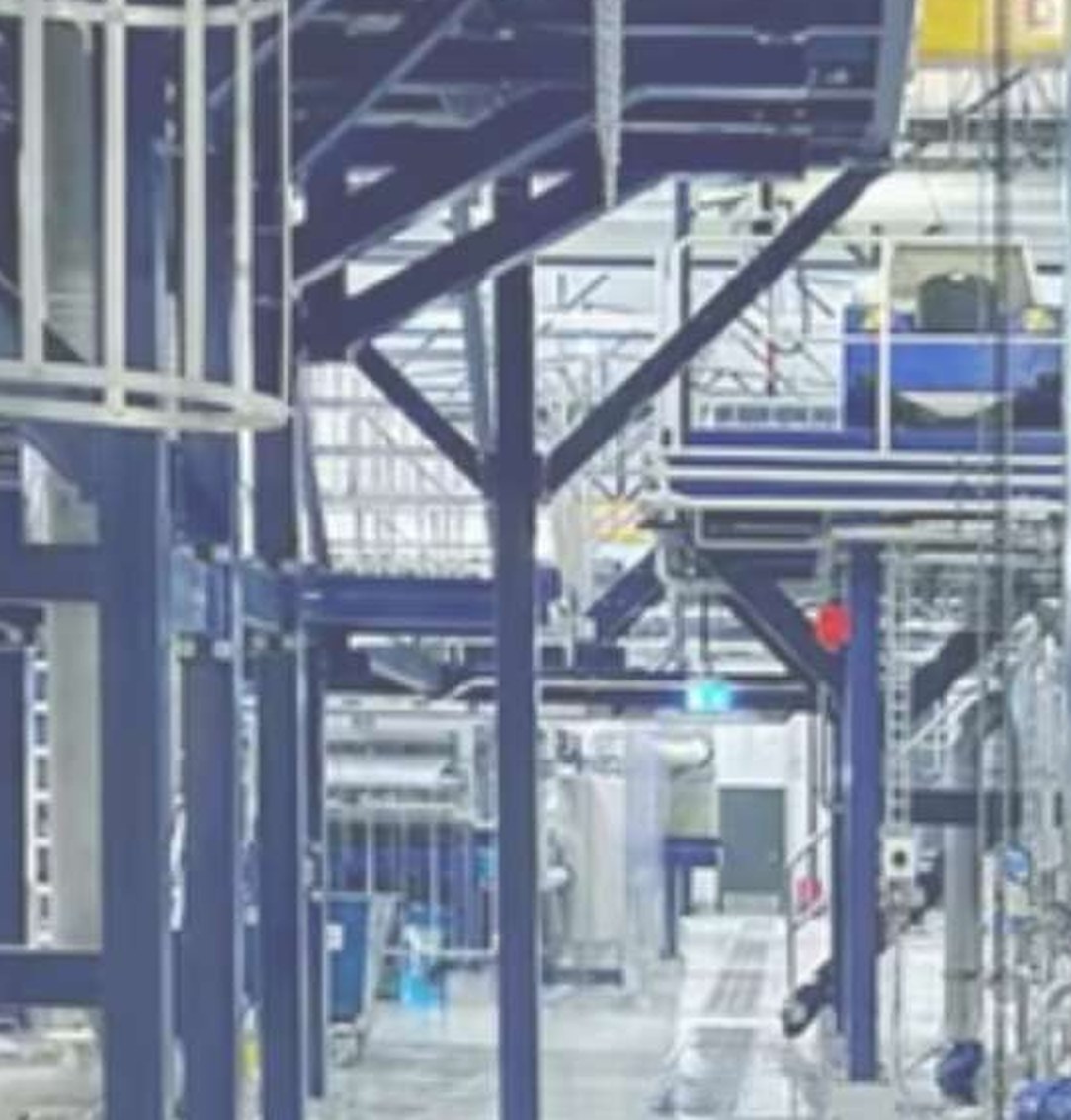
Client, site and product identifiers removed. Imagery is our own project material.
One case, published in full method and zero client detail. If you want the version with names and numbers, that conversation happens under an NDA — which is exactly the arrangement your own project would get.
Services this case evidences