
FEL-1 — is this worth pursuing?
Technology screening, indicative mass and energy balance, order-of-magnitude CAPEX and OPEX, permitting and feedstock reality check, and a clear list of what must be proven before spending more.
S02
FEL-1 to FEL-3 studies, techno-economic assessment, process flow and mass balance development, recipe and side-stream integration, and production pivots for existing lines. Every number is built from physics and quoted equipment, not scaled from a vendor slide.
What you get
Technology screening, indicative mass and energy balance, order-of-magnitude CAPEX and OPEX, permitting and feedstock reality check, and a clear list of what must be proven before spending more.
Option comparison on yield, energy intensity, utilities, footprint and cost; block layouts; preliminary PFDs; equipment long-list with budgetary quotes; sensitivity on feedstock price and product mix.
Developed PFDs and P&IDs, equipment datasheets, plot plan and 3D concept, execution and schedule plan, and a CAPEX base with defined contingency and accuracy class.
Fitting a novel material, recipe or side stream into an existing line: bottleneck analysis, load curves, quality risk, and the modification package needed to run it.
How it runs
Agree the question the study must answer, the accuracy class required, and the gate the result feeds — investment committee, permit or FID.
Mass and energy balance from first principles, calibrated against pilot or operating data where it exists.
Equipment from quotes and benchmarks, installation factors stated, contingency explicit — with the assumptions that drive the result named.
Sensitivity and scenario work on feedstock, energy price, yield and utilisation, plus TEA and LCA so environmental claims carry numbers.
A study document, cost base, risk register and recommended next step — including a recommendation not to build when that is the honest answer.
From our own project record
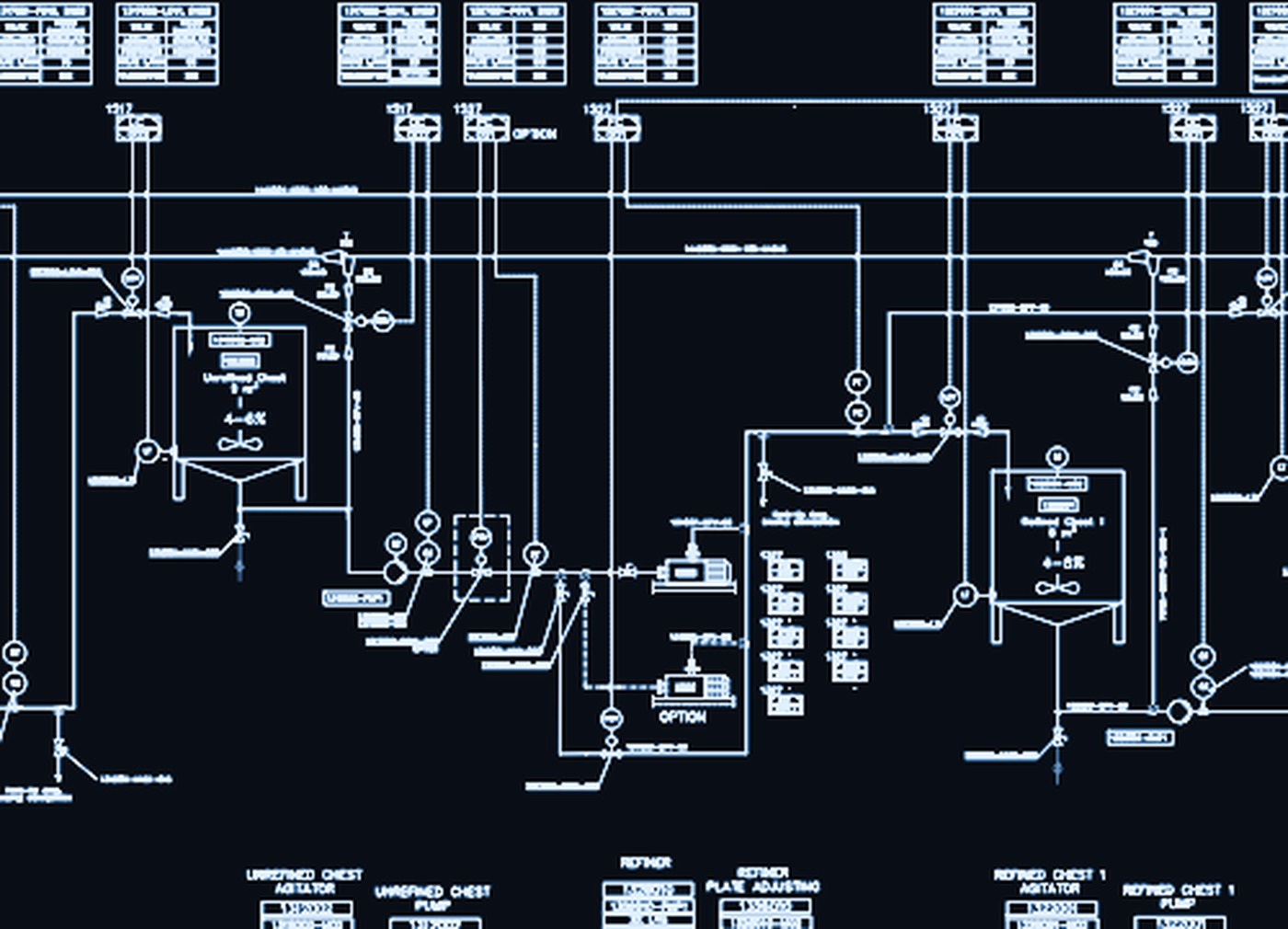
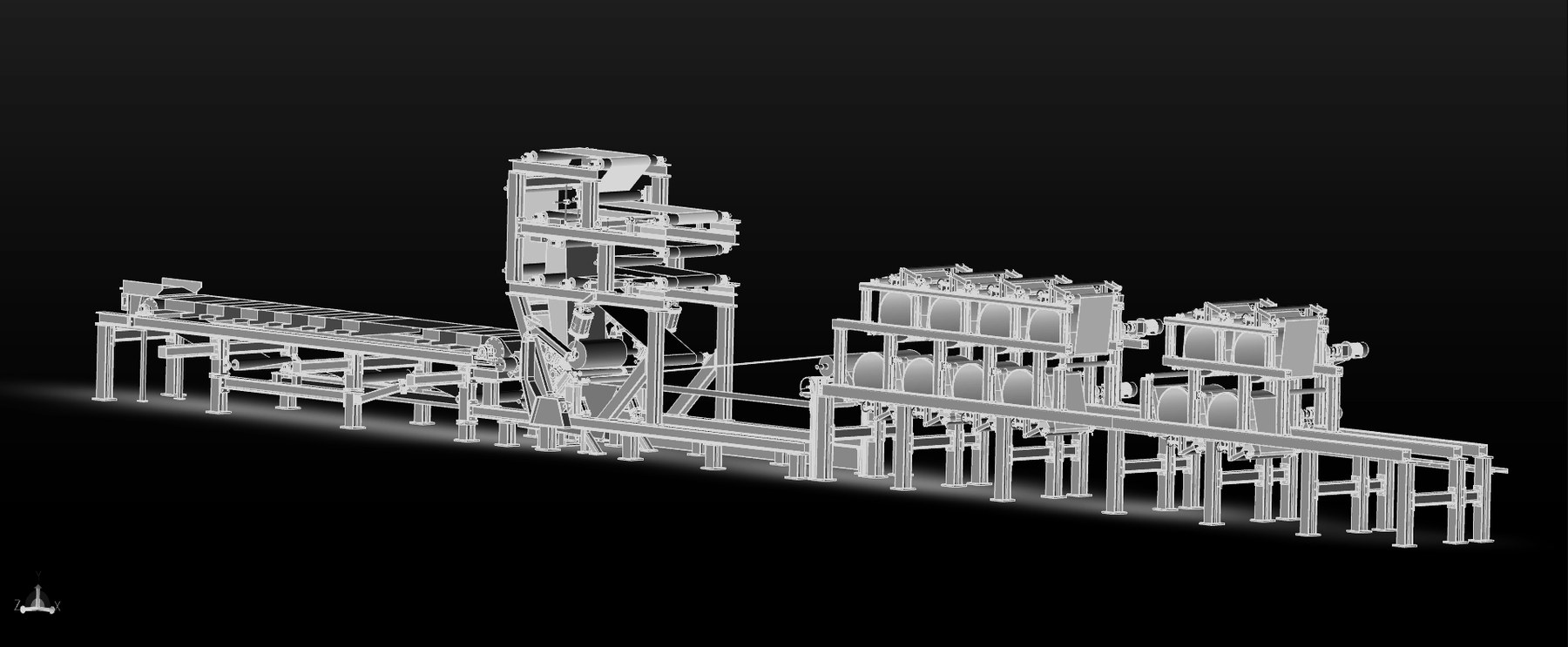
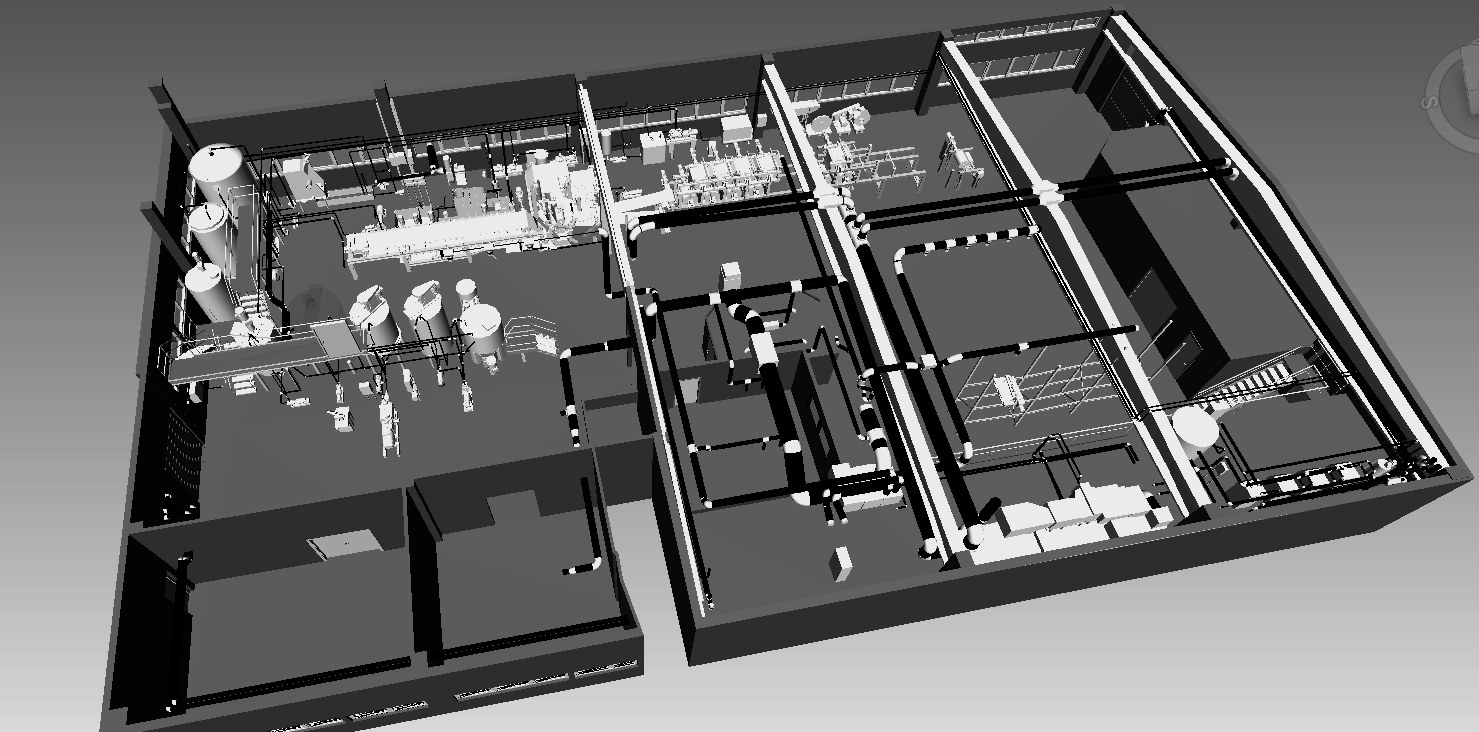
Client, site and product identifiers removed — most of our work is under NDA.
A good study is the cheapest part of a plant. We write ours so the investment committee can see exactly where the risk sits and what it costs to remove.