S01·CMP

EPCM vs EPC: who carries the risk, and what it costs you.

EPC buys certainty and pays a premium for it. EPCM buys transparency and asks for your attention in return. For a growth company building a first-of-a-kind biobased plant, the choice decides how much of your capital goes into the plant rather than into someone else's contingency.

EPC
Lump sum · wrapped scope · risk premium
EPCM
Open book · owner contracts · managed risk
Typical fit
EPC: proven scope · EPCM: first-of-a-kind
Hybrid
EPCM plus turnkey packages

What you get

Delivery model assessment

Your scope, funding position, permit timeline and internal capacity mapped against both models — with a recommendation and the reasoning written down, not asserted.

Package split strategy

Which parts of the plant should be bought turnkey and which should stay open book, so novelty and certainty end up in the right contracts.

Contract and guarantee framework

Scope splits, battery limits, performance guarantees and acceptance tests drafted so responsibility is unambiguous whichever model you pick.

Cost basis comparison

An independent estimate of the same plant under both models, so the EPC premium is a number you can argue about rather than a feeling.

How it runs

  1. 01

    Freeze what is actually known

    A delivery-model choice made on an unfinished process basis is a guess. We establish what is defined, what is still moving, and what nobody will price until it stops moving.

  2. 02

    Test the market appetite

    Whether any credible contractor will wrap your process at all — and on what conditions — usually settles the debate faster than internal analysis.

  3. 03

    Price both routes

    Installed cost, owner's cost, contingency and premium compared side by side against the same scope and the same schedule.

  4. 04

    Split the scope

    Turnkey where the package is standard, open book where the process is novel — the hybrid most first-of-a-kind plants end up with.

  5. 05

    Write it into the contracts

    Guarantees, interfaces and acceptance criteria drafted so the model you chose survives execution.

  • Our team has delivered 40+ industrial projects and supervised 20+ plant start-ups under both EPC and EPCM structures.
  • We take no equipment margin and no vendor commission, so a model recommendation is not a route to a bigger scope for us.
  • Two WEF Global Lighthouse transformations were led by members of the team, both under owner-controlled delivery.

From our own project record

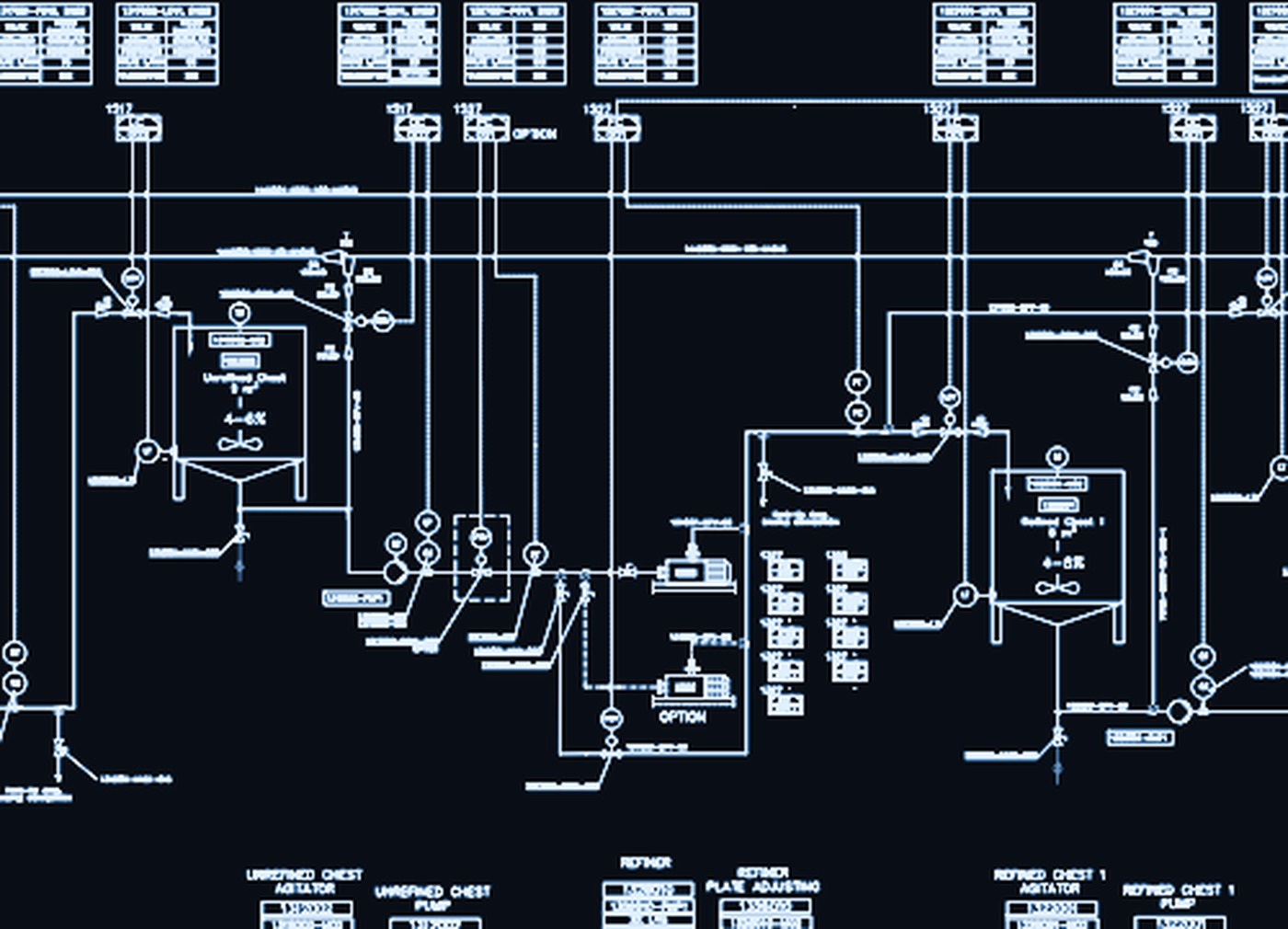
Process flow diagram used to define scope before choosing a delivery model
Process basis · What must be frozen firstDefinition
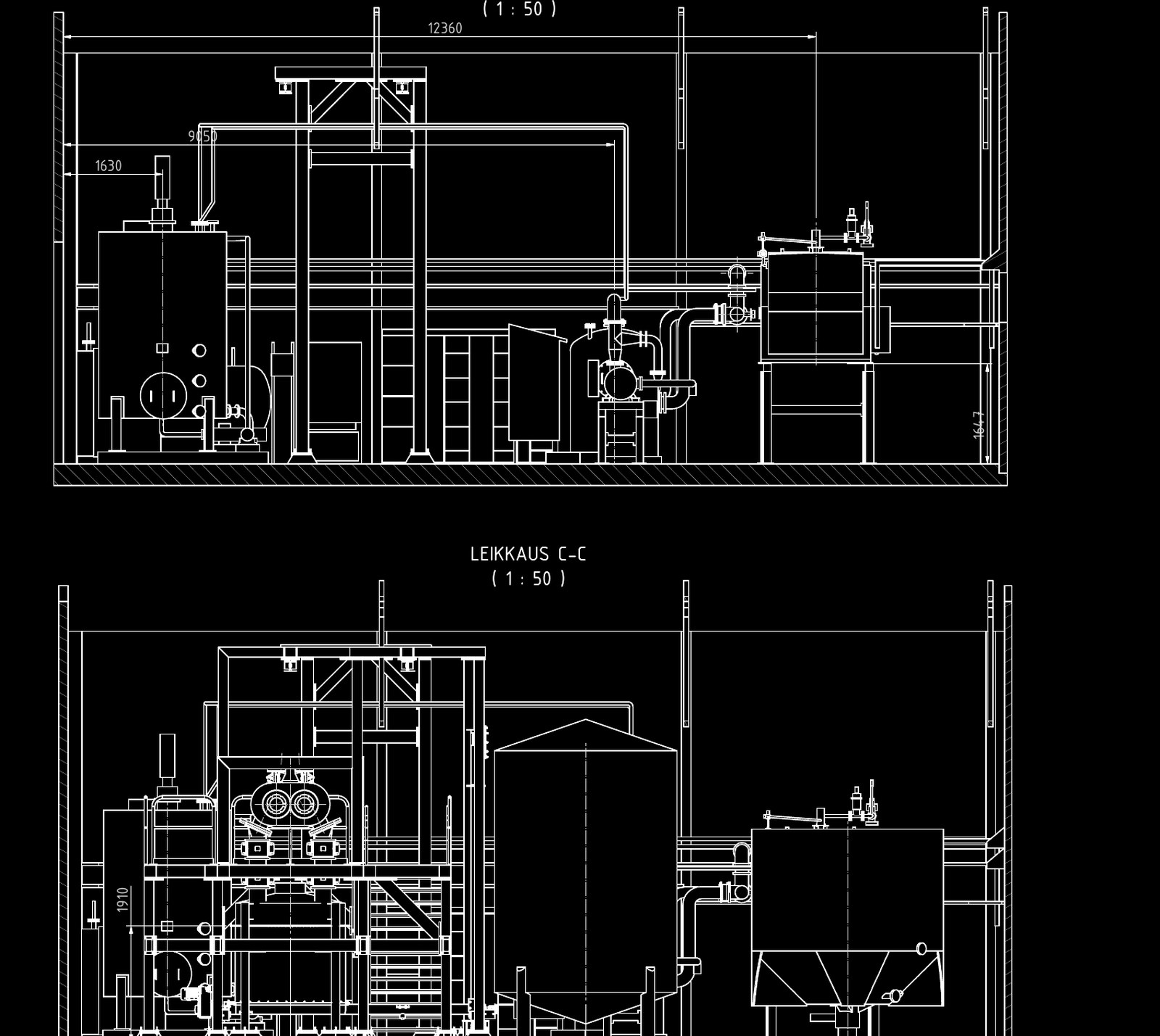
General arrangement section drawing used to split plant scope into contract packages
GA section · Package splitContract strategy

Client, site and product identifiers removed — most of our work is under NDA.

Method, drawn out

EPCM vs EPC, side by side

Comparison of EPC and EPCM delivery models across contract structure, cost visibility, risk, change control and owner effort
DimensionEPC (turnkey)EPCM (owner-led)
Contract structureOne lump-sum contractOwner holds contracts; EPCM manages
Cost visibilityPrice known, build-up hiddenOpen book, line by line
Risk ownerContractor (priced in)Owner (managed down)
Change ordersCommercial negotiation, high frictionEngineering decision, low friction
Supplier choiceContractor's preferred listOwner's choice on merit
Owner effortLow during executionContinuous involvement required
SuitsProven, well-defined scopeFirst-of-a-kind, evolving scope

When each model is the right answer

Choose EPC when the plant has been built before

A proven process, a scope a contractor can price without guessing, a lender who wants a wrapped guarantee, and an owner without an internal project organisation. Here the premium buys real risk transfer.

Choose EPCM when the plant is first-of-a-kind

A novel process, a scope that will still develop during detail engineering, capital that has to stretch, and a founder team that wants to see every euro. Here a lump sum is either unavailable or priced for risks that never occur. See our EPCM delivery and the cellulose plant case.

Decide only after FEED

Both models depend on a defined basis. FEED and a techno-economic analysis produce the scope and cost base the comparison needs. If you are already in an EPC contract, an owner’s engineer restores the visibility the wrap removed.

Frequently asked questions

What is the difference between EPC and EPCM?
In an EPC contract a single contractor takes the engineering, procurement and construction scope on its own balance sheet and delivers the plant for a lump sum. In EPCM, an engineering and construction management team works for the owner: the owner holds the equipment and construction contracts directly, and the EPCM team designs, procures and manages the work on the owner's behalf.
Which model is cheaper?
EPCM usually shows a lower installed cost because the owner does not pay a lump-sum risk premium or contractor contingency, and buys equipment at supplier prices. EPC can still be cheaper in total if the owner has no capacity to manage interfaces and change, because unmanaged change is more expensive than any premium.
Who carries the risk in EPCM?
The owner does. The EPCM team carries professional responsibility for the engineering and management, but schedule, cost overrun and supplier performance risk sit with the owner. That is why EPCM depends on honest cost reporting and a design basis that is frozen before procurement starts.
Is EPC better for financing a first-of-a-kind plant?
Lenders like a wrapped lump-sum price with performance guarantees. But few contractors will wrap a first-of-a-kind process, and those that do price the unknowns heavily. In practice first-of-a-kind biobased plants are often financed on a strong FEED, a bankable techno-economic analysis and a credible owner's team rather than on an EPC wrap.
Can the models be combined?
Yes, and hybrids are common: EPCM overall with lump-sum turnkey packages for well-defined islands such as a boiler, an effluent plant or an electrical building. The owner keeps transparency where the process is novel and buys certainty where the scope is standard.
What does an owner need in place to run EPCM?
A defined process basis and FEED, a decision-maker who can approve changes quickly, and an engineering partner with real construction and start-up experience. Without those, the flexibility of EPCM turns into drift.
Where does an owner's engineer fit?
An owner's engineer is not a delivery model — it is representation. It is most valuable in an EPC project, where the owner needs independent review of the contractor's design, cost and performance testing. In EPCM the same competence is already embedded in the delivery team.

There is no universally better model — only a model that matches how well your scope is defined and how much control you intend to keep. Get that match wrong and you pay for it twice: once in premium, once in change orders.