
Frozen process basis
Design capacity, feedstock specification, product quality and operating cases fixed and signed off, with the mass and energy balance closed stream by stream.
S02·F
Front-end engineering design is the last stage where a change costs a drawing revision instead of a shutdown. We take a validated concept to a defined, costed and permittable plant: closed mass and energy balance, P&IDs, equipment list from quotes, layout, and a CAPEX estimate with a stated accuracy class — the package an investment decision can actually be taken on.
What you get
Design capacity, feedstock specification, product quality and operating cases fixed and signed off, with the mass and energy balance closed stream by stream.
Process and instrumentation diagrams to a level that supports HAZOP, plus the control and automation philosophy the detail-design contractor will build from.
Sized major equipment with datasheets and budgetary quotations, long-lead items identified early enough to protect the schedule.
Equipment arrangement, access, maintenance and hazardous-area zoning checked in 3D, so installation scope and building volume are real rather than assumed.
Cost estimate with installation factors, indirects and contingency separated and an accuracy class attached — packaged with schedule, contracting strategy and risk register for FID.
How it runs
Concept selection, TEA and pilot data reviewed first. FEED on an unvalidated concept is the most expensive way to discover a process problem.
Mass and energy balance per stream, utility demand, and the operating cases the plant must handle including turndown and ramp-up.
PFDs, P&IDs, equipment sizing, instrumentation, electrical load list, layout and 3D model developed in parallel and cross-checked.
Budgetary quotes, installation and indirect factors, HAZOP and risk review, permitting inputs, and a Class 3 estimate with named contingency.
A document set a contractor can tender against and an owner can finance against — the direct input to EPCM delivery.
From our own project record
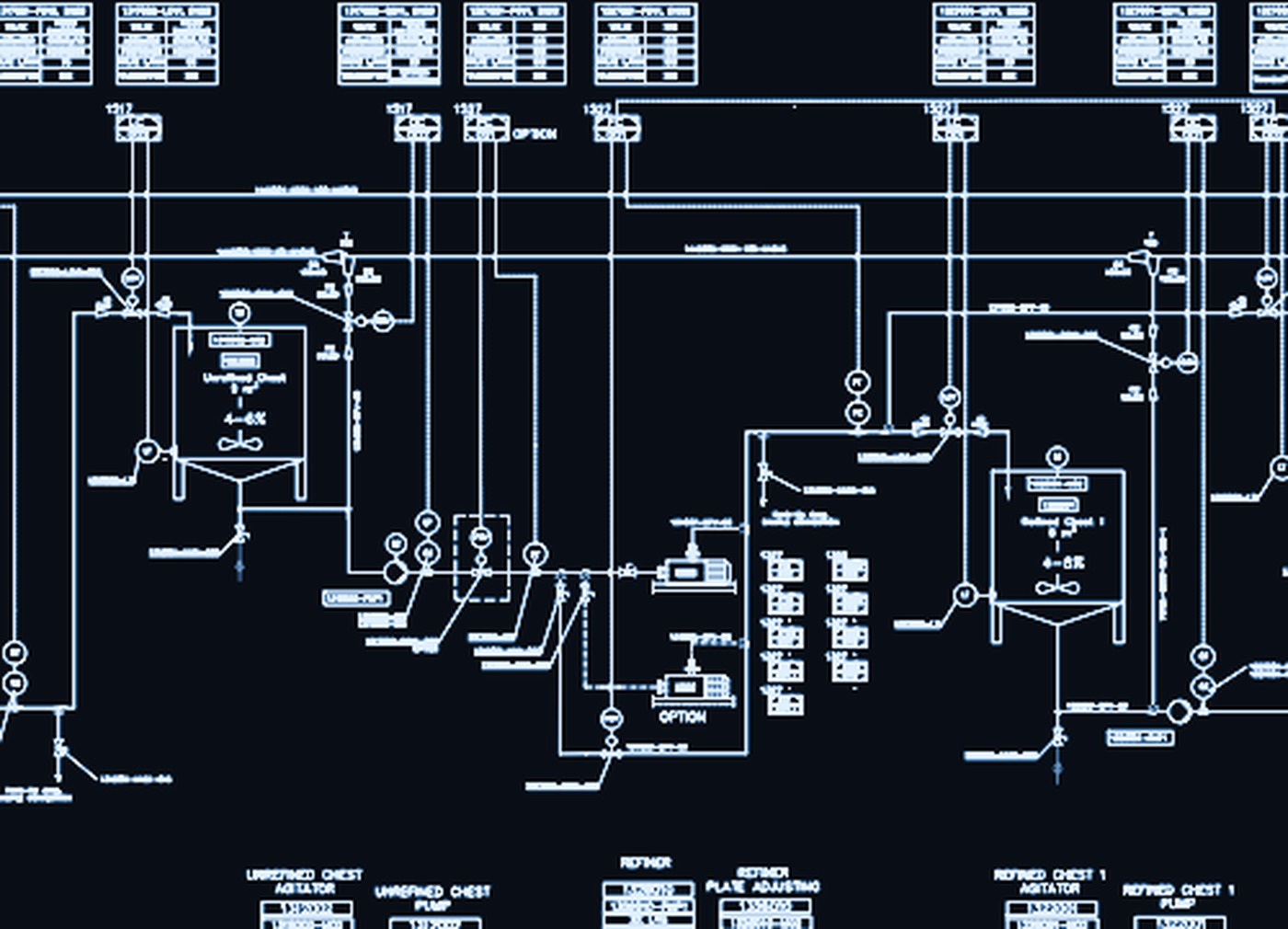
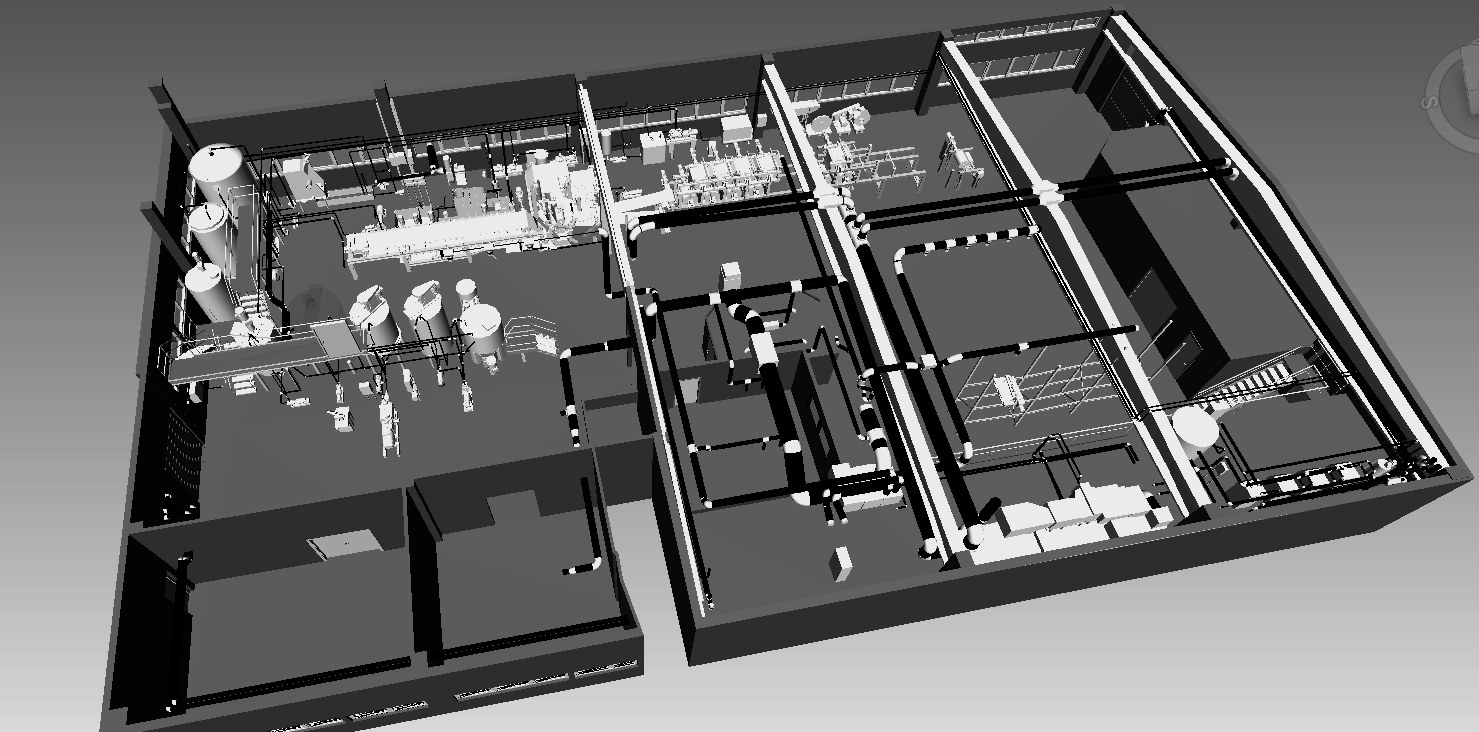
Client, site and product identifiers removed — most of our work is under NDA.
Projects rarely fail in construction. They fail because FEED was skipped, rushed, or priced as if it were a formality — and every one of those decisions gets paid for later, with interest.