
First-principles mass & energy balance
Stream-by-stream balance calibrated against pilot or operating data where it exists, with yields and utility demand traceable to physics rather than a vendor slide.
S02·T
A techno-economic analysis (TEA) is only as good as the balance underneath it. We build mass and energy balances from first principles, cost equipment from quotes and benchmarks, state the accuracy class, and show which assumptions actually move the return — so the number can be defended, not just presented.
What you get
Stream-by-stream balance calibrated against pilot or operating data where it exists, with yields and utility demand traceable to physics rather than a vendor slide.
Equipment list priced from budgetary quotes and benchmarks, installation factors named, indirects and contingency separated, and an accuracy class attached to the total.
Feedstock, energy, consumables, labour and maintenance built into a unit cost of production at realistic utilisation and ramp-up, not nameplate.
NPV, IRR and payback with tornado sensitivity on feedstock price, product price, yield, energy cost and utilisation — plus the break-even conditions the case depends on.
The same balance feeds the life-cycle assessment, so carbon and cost results are consistent and environmental claims carry numbers.
How it runs
Agree what decision the TEA feeds — screening, FID, permit or investor diligence — and the accuracy class that decision requires.
Process configuration and block flow, then a mass and energy balance per stream with named assumptions and data sources.
Equipment sizing to quotes, installation and indirect factors, and an OPEX model at the operating point the plant will actually run at.
Scenario and sensitivity runs, ramp-up curves, and identification of the two or three variables that decide the outcome.
Open model, assumption register, risk list and a written recommendation — including a recommendation not to invest when that is the honest answer.
From our own project record
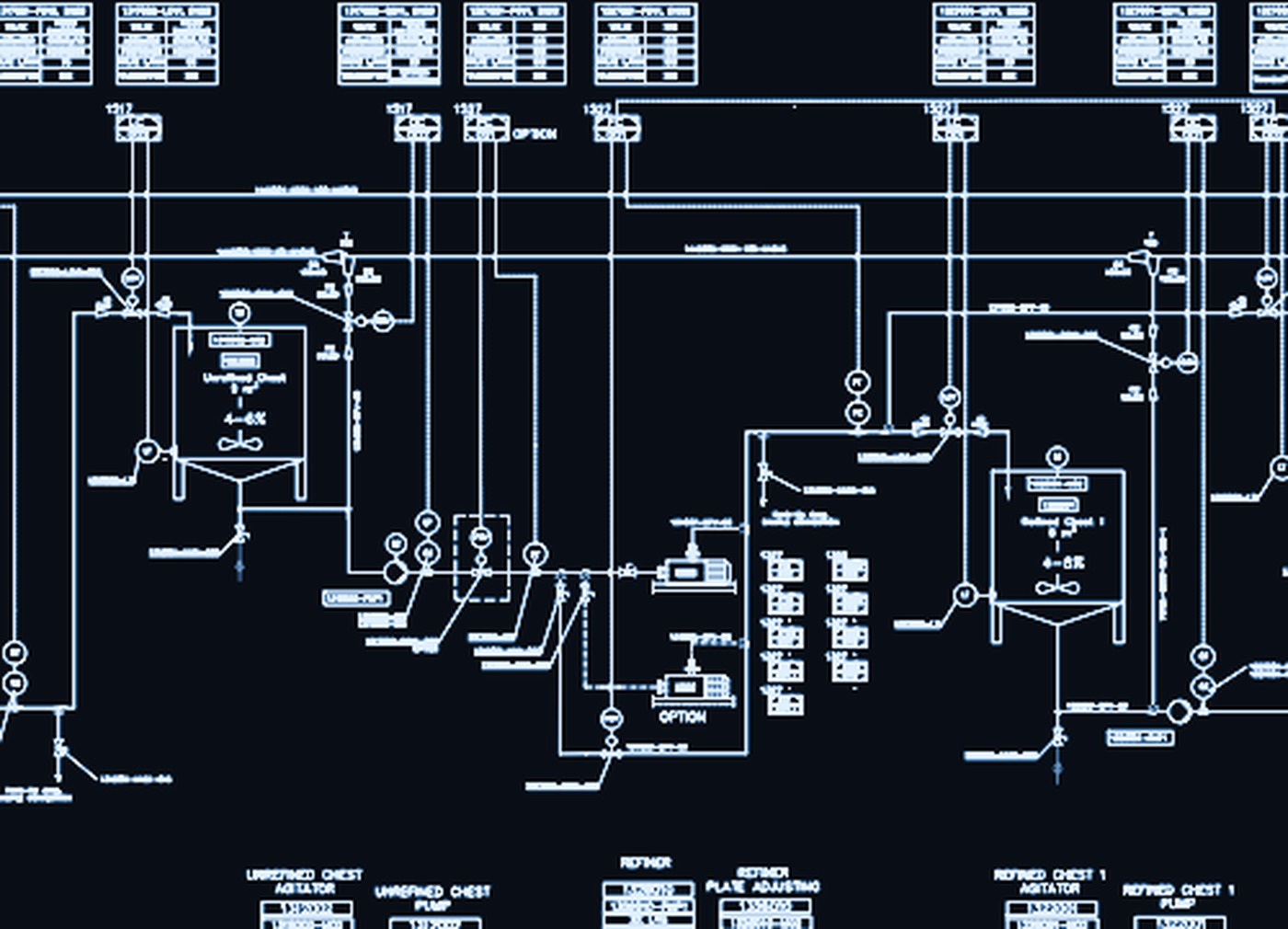
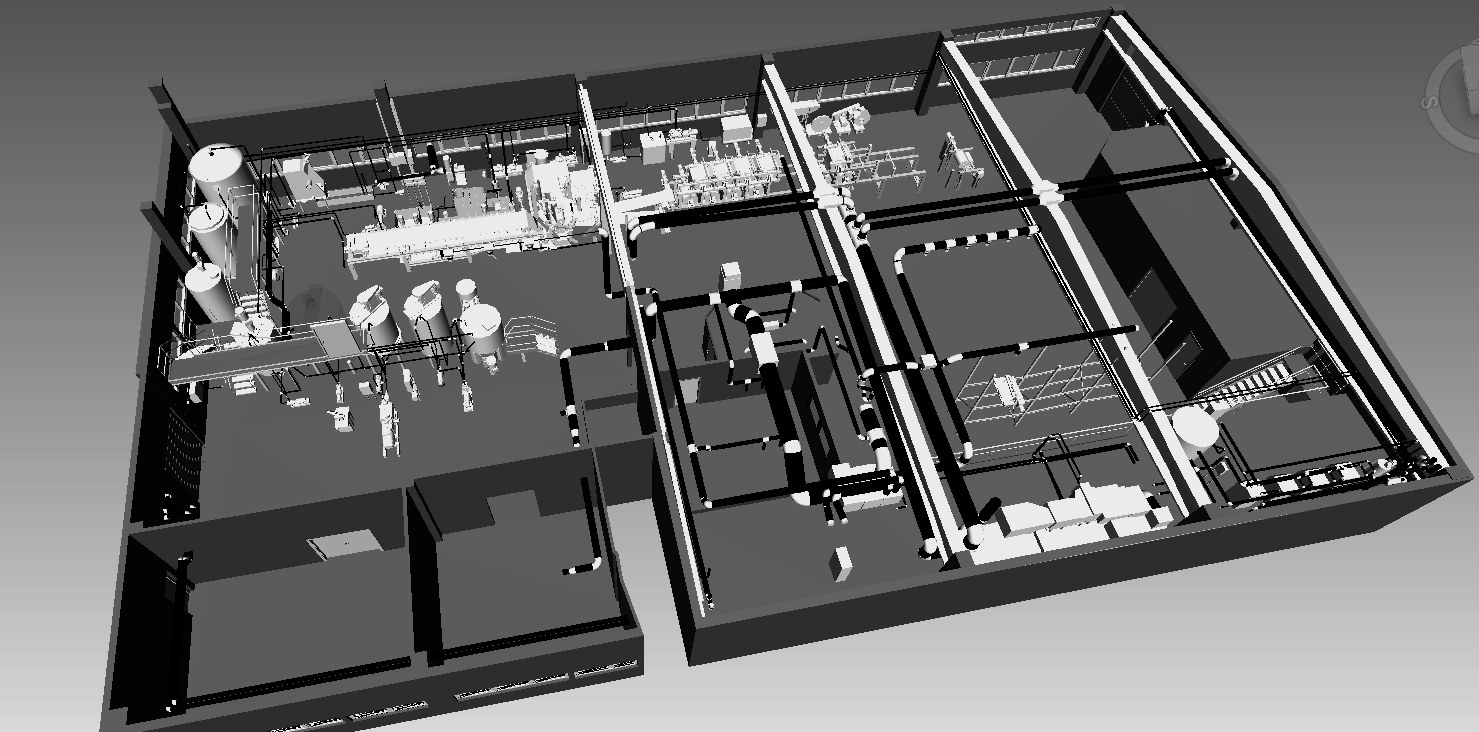
Client, site and product identifiers removed — most of our work is under NDA.
Most weak investment cases fail on the same two things: a balance that was never closed and a CAPEX with hidden contingency. A TEA done properly exposes both before the money moves.