
Design and technology review
Contractor and vendor design checked against the process basis, the permit conditions and the operating reality — before drawings are frozen and changes get expensive.
S01·OE
An owner's engineer represents the plant owner — not the contractor, not the technology vendor. We review the design you are being sold, test the cost and schedule you are being quoted, supervise the work you are paying for, and verify the performance you were promised. Independent of every supplier on the project, by construction.
What you get
Contractor and vendor design checked against the process basis, the permit conditions and the operating reality — before drawings are frozen and changes get expensive.
Scope splits, technical annexes, performance guarantees, liquidated-damages and acceptance criteria written so the guarantee you sign is the guarantee you can test at start-up.
Independent estimate against the contractor's price, change-order review, progress measurement and forecast — so a slip appears in a report before it appears on site.
Inspection plans, witness points, factory and site acceptance testing, punch-list management and HSE oversight during construction and installation.
Commissioning oversight, performance-test protocol and measured verification against the contracted numbers — with a defensible record if a claim has to be made.
How it runs
What the plant must produce, at what quality and cost, under which permit and safety constraints. This becomes the yardstick every contractor document is measured against.
Technology, layout, equipment selection and cost base reviewed while the contract is still open — the only point where findings are free to act on.
Technical scope, interfaces, guarantees and acceptance tests drafted or reviewed so responsibility is unambiguous at every battery limit.
Design-development review, inspections, progress and change control through detail engineering, procurement, construction and installation.
Commissioning witnessed, performance test run against the contracted basis, deviations documented, warranty and punch items tracked to closure.
From our own project record
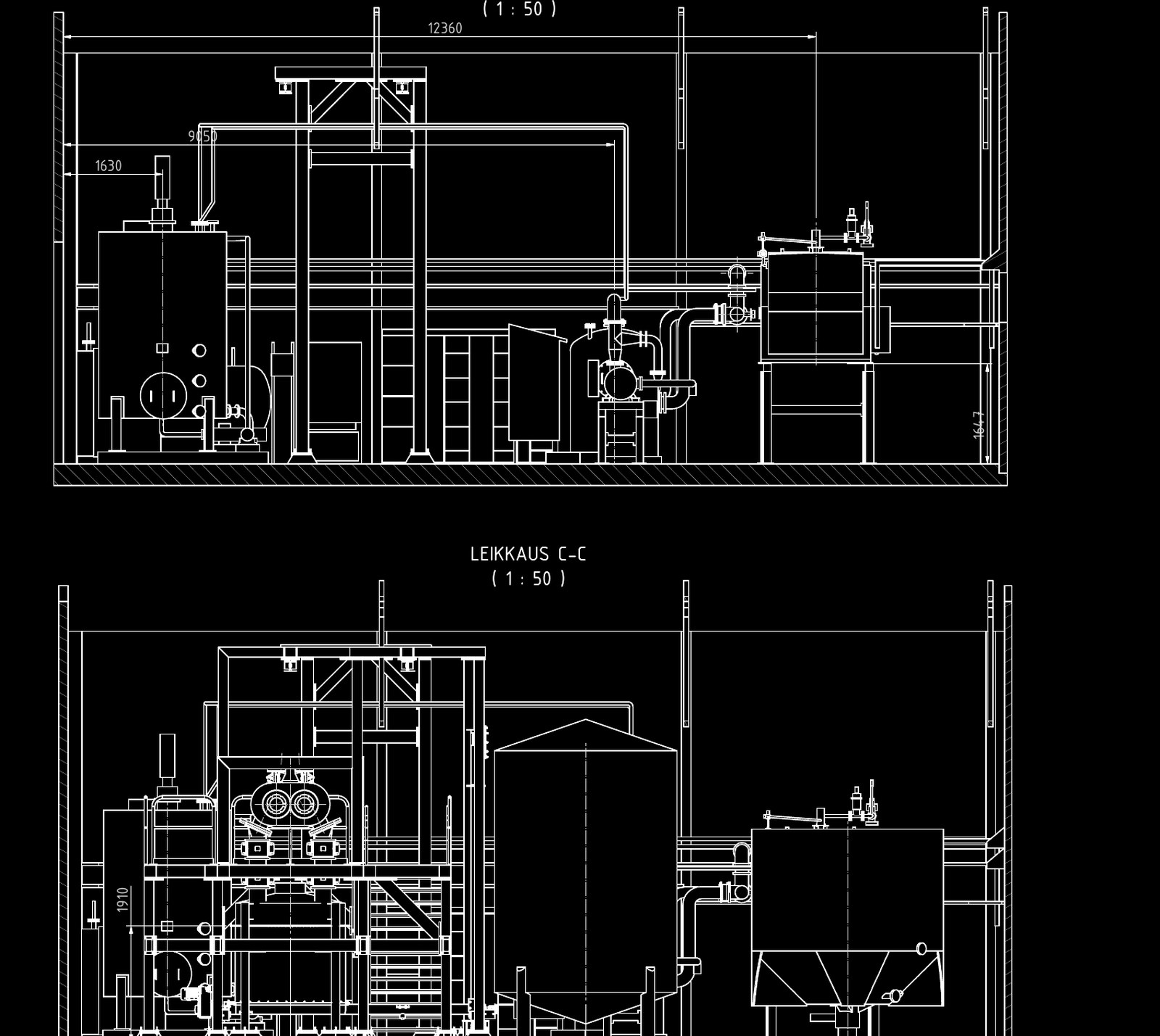

Client, site and product identifiers removed — most of our work is under NDA.
Contractors are not the enemy — but they are optimising their scope, not your plant. An owner's engineer exists so that someone with the same engineering depth is optimising yours.